
Quick answer
LCL and FCL are two ways to buy sea-freight capacity. The correct choice depends on volume, dimensions, handling sensitivity, urgency and total door-to-door cost. What is LCL? Less-than-container load cargo shares container space with other shipments. It suits smaller volumes but requires consolidation and deconsolidation handling. What is FCL? Full-container load gives one shipper use […]
LCL and FCL are two ways to buy sea-freight capacity. The correct choice depends on volume, dimensions, handling sensitivity, urgency and total door-to-door cost.
What is LCL?
Less-than-container load cargo shares container space with other shipments. It suits smaller volumes but requires consolidation and deconsolidation handling.
What is FCL?
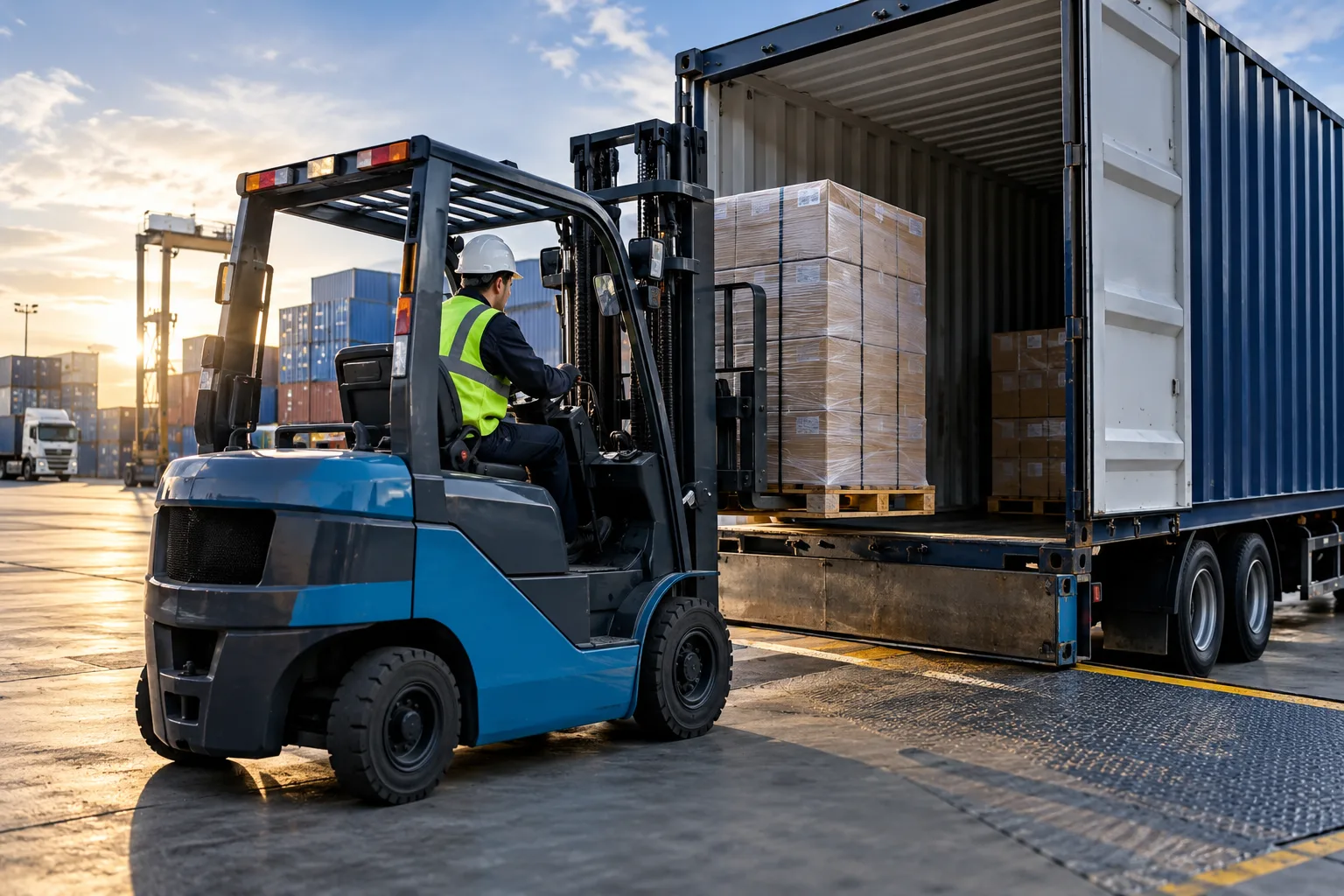
Full-container load gives one shipper use of a 20-foot, 40-foot or high-cube container. It suits larger volumes and cargo that benefits from reduced shared handling.
Key differences
- LCL is commonly charged by volume or weight.
- FCL is priced per container plus route charges.
- LCL may require extra warehouse time.
- FCL can become more economical as volume increases.
- Fragile cargo may benefit from dedicated space.
How to choose
Compare packed dimensions, weight, origin and destination charges, required delivery date and cargo sensitivity.
Planning a similar shipment?
Send the cargo type, weight, dimensions, pickup location and destination for a suitable shipping plan.